Fraud is an illegal act aimed at obtaining material or non-material benefit by intentionally deceiving others, providing false information, or abusing trust. Fraud poses a serious threat to society and the economy, as it causes damage to citizens’ property, personal data, and public trust.
Main types of fraud
Today, fraud occurs in many forms. The most common types include:
-
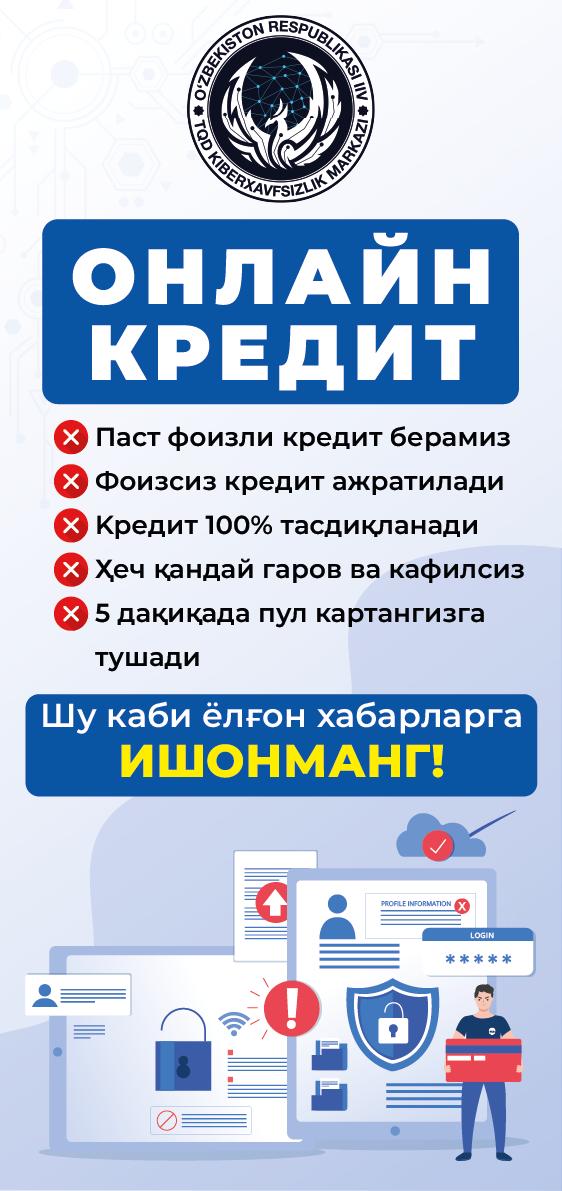
Financial fraud — illegal acquisition of money through bank cards, loans, or fake investment projects
-
Internet fraud — stealing information via social networks, fake websites, and phishing messages
-
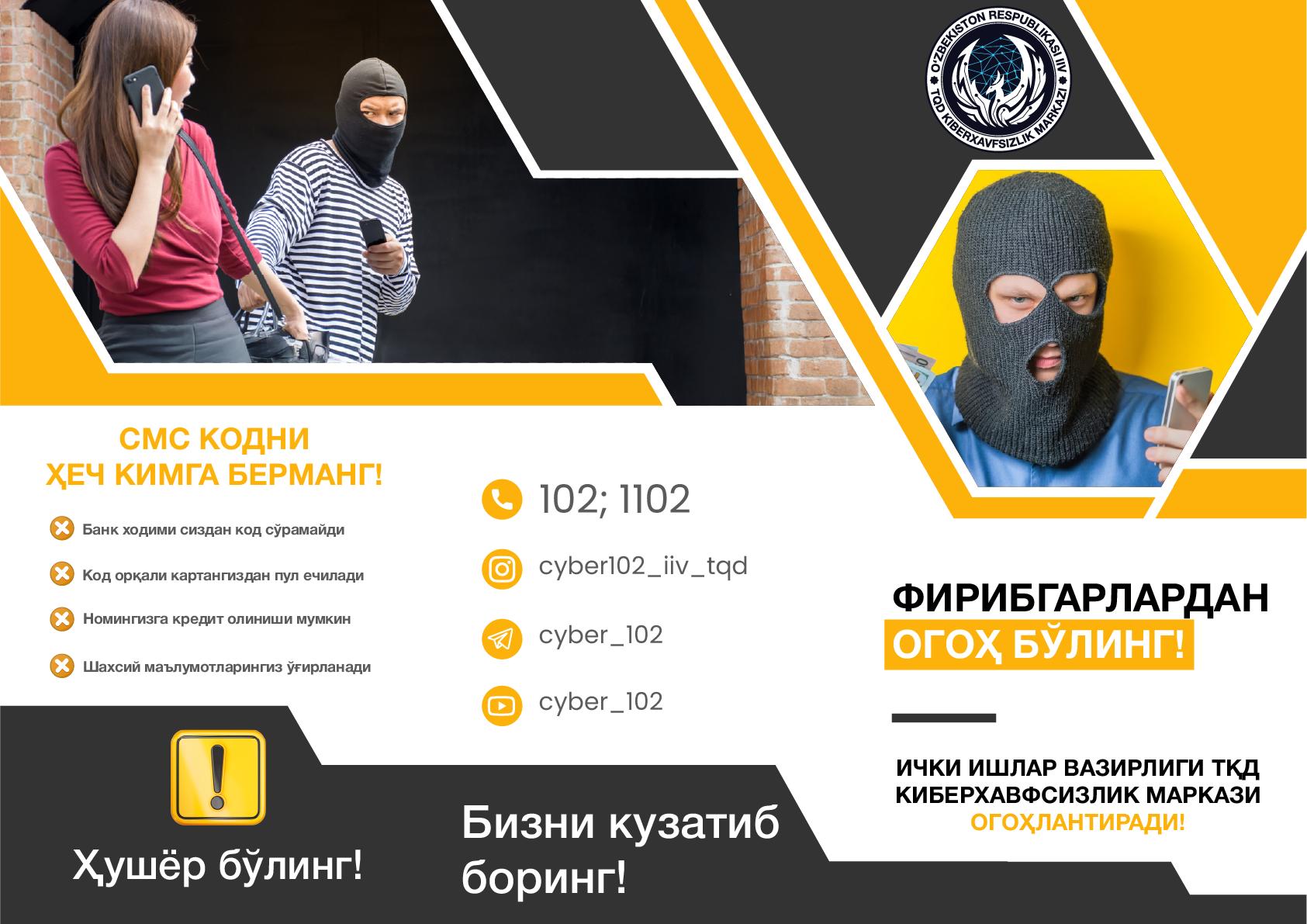
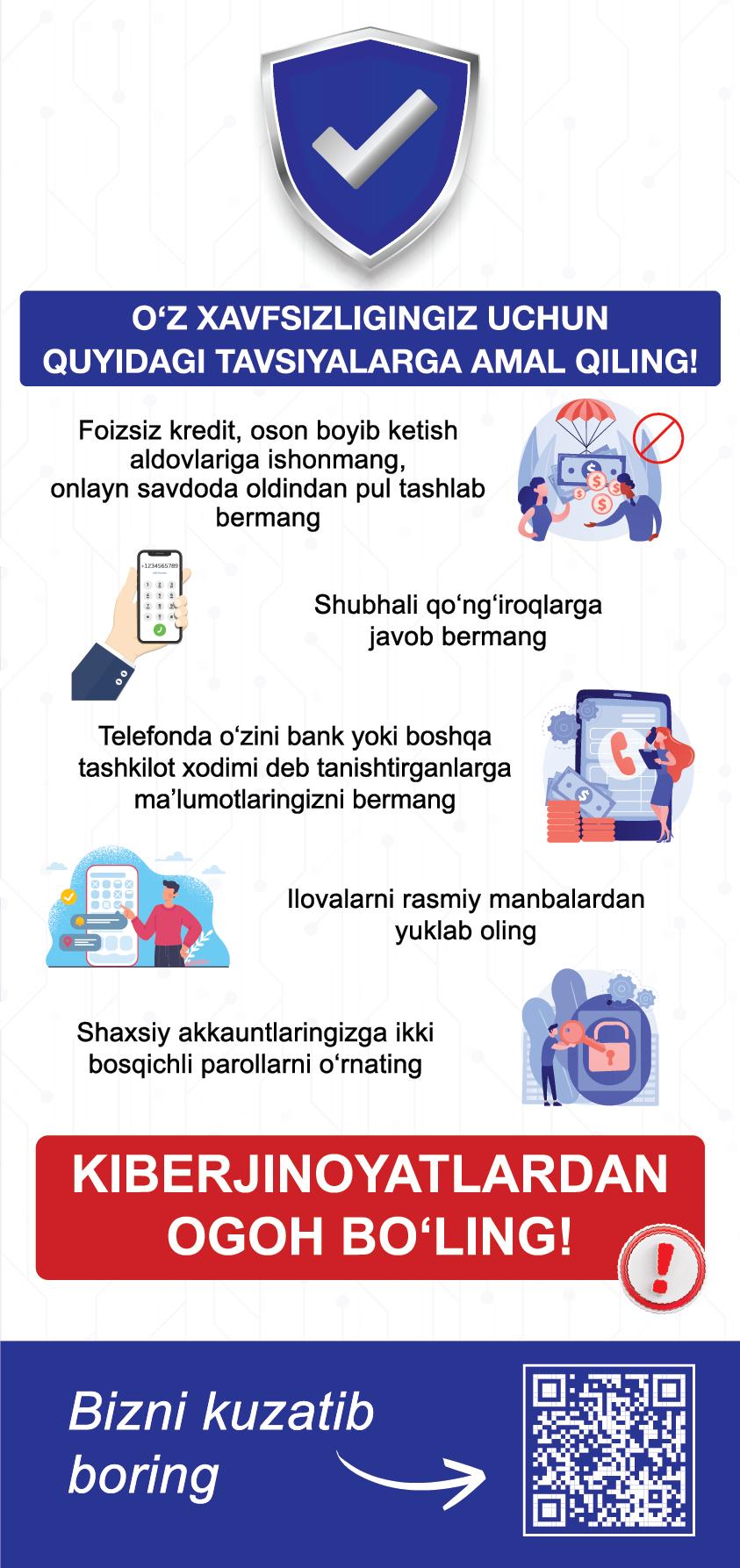
Phone fraud — deceiving people by pretending to be bank employees or law enforcement officers
-
Trade and service fraud — receiving money for counterfeit goods or services that were never provided
-
Document fraud — using forged documents and fake contracts for personal gain
What methods do fraudsters use?
Fraudsters often exploit people’s trust, haste, or lack of awareness. They:
-
make false promises;
-
offer quick and high profits;
-
use intimidation or create a sense of urgency;
-
create fake documents and websites that look official.
How to protect yourself from fraud?
To avoid becoming a victim of fraud, it is important to:
-
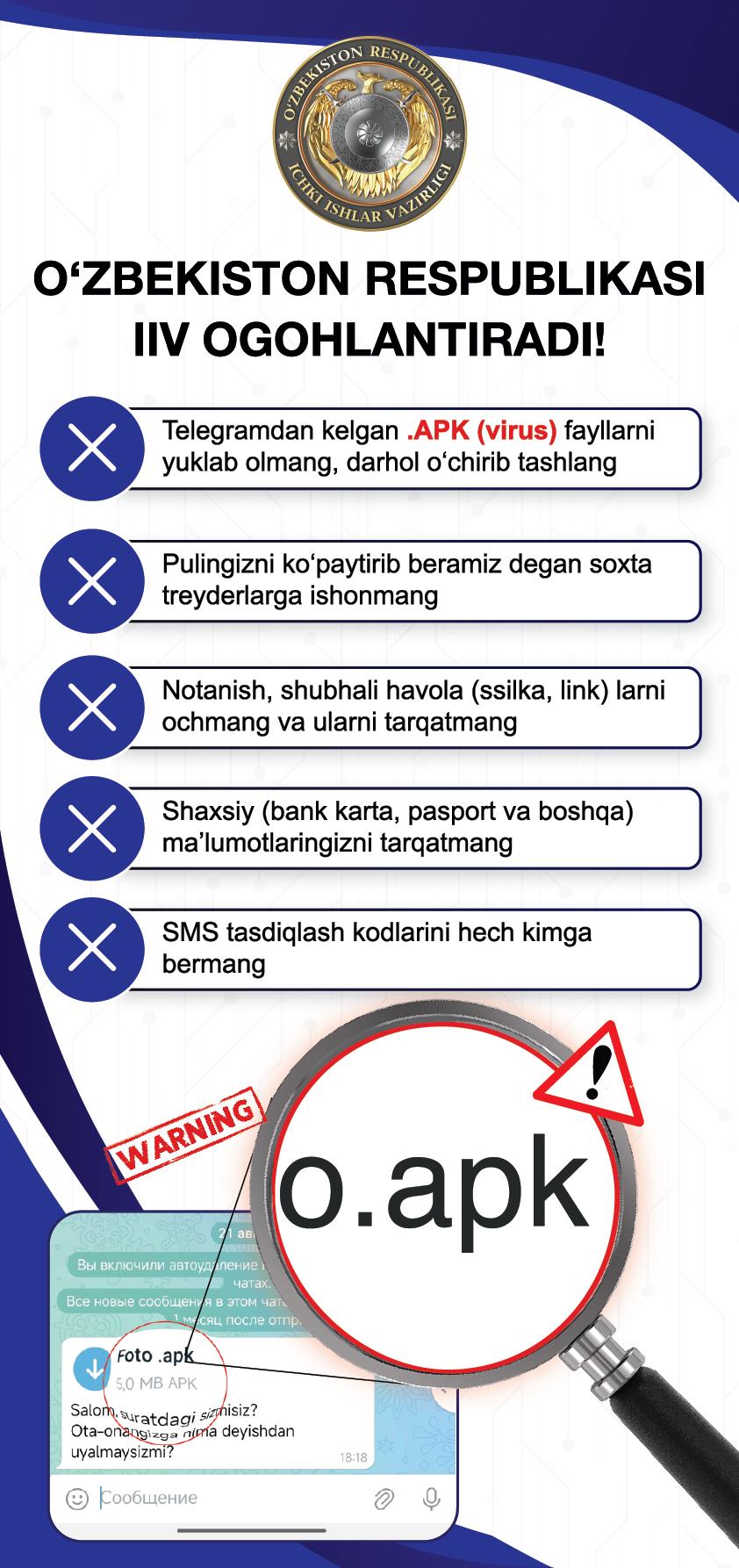
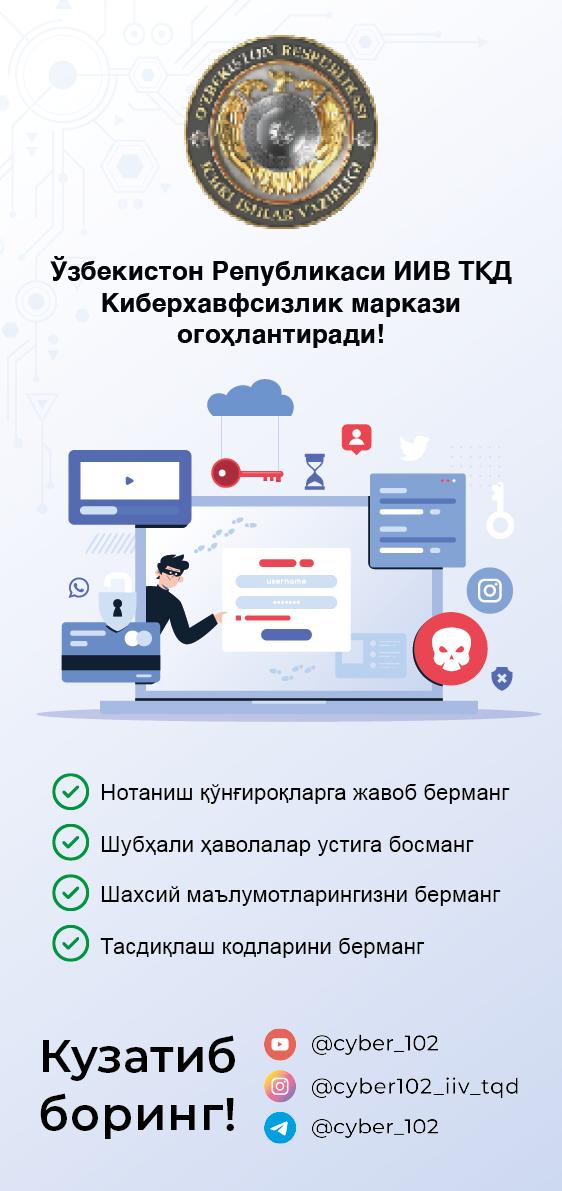
never share personal or financial information with strangers;
-
avoid clicking on suspicious links;
-
verify information before transferring money;
-
use only official and reliable sources;
-
contact specialists or law enforcement authorities in suspicious situations.
Liability for fraud
According to the legislation of the Republic of Uzbekistan, fraud is considered a criminal offense and is punishable by fines, compulsory labor, or imprisonment.




 O'zbekcha
 Русский
 Ўзбекча



 Print
Print Share
Share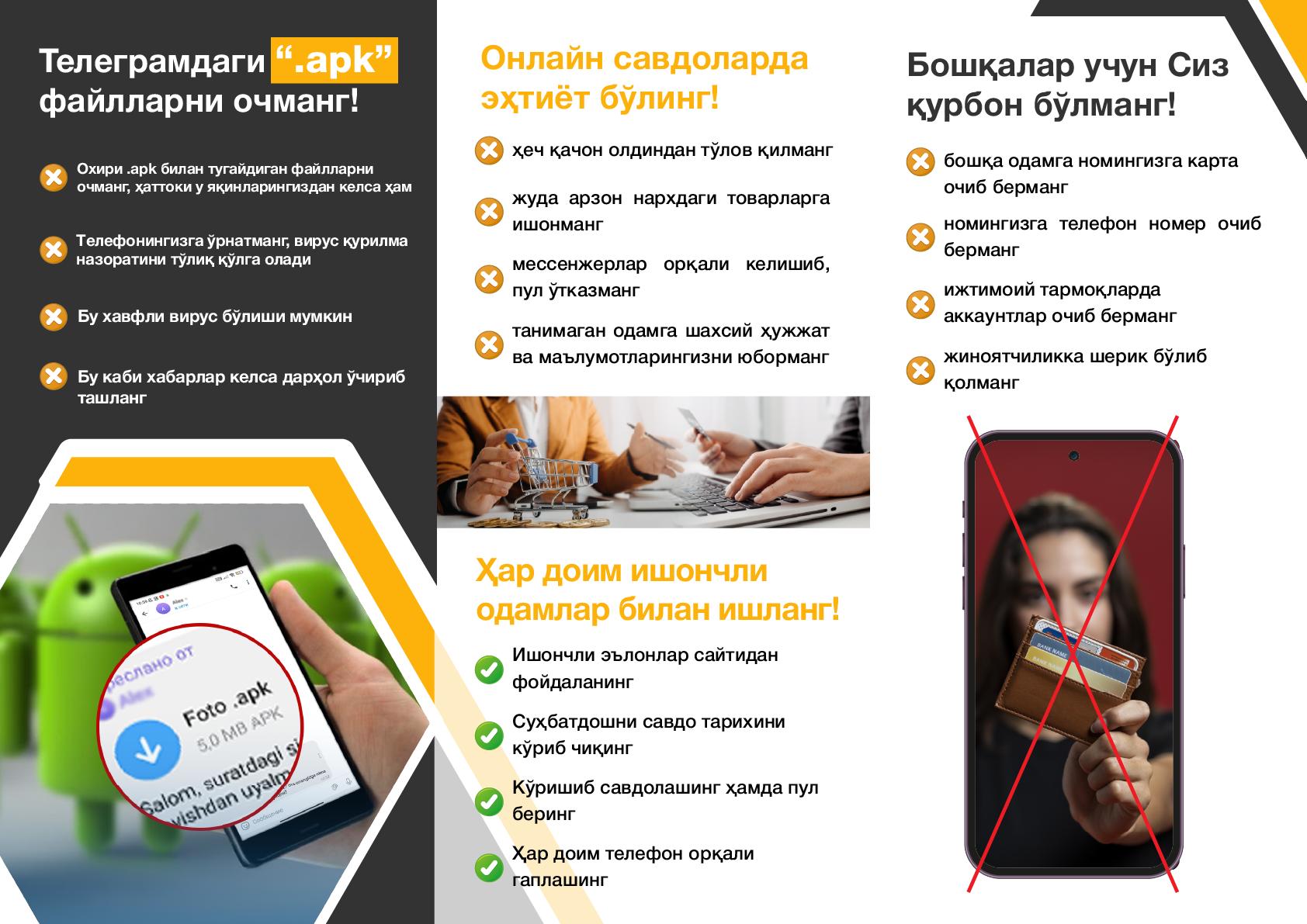
 09.02.2026
  352
352  Yangiliklar